10 Affordable Luxury Hotels in Asia (From $35/Night)
Updated: November 4, 2026
Find Your Hotel
Search wholesale rates on 5M+ hotels worldwide
Key takeaways:
- Southeast Asia has the cheapest luxury hotels on earth, with five-star rooms starting from $35/night
- Dubai and the Middle East drop 40-60% in summer (June through September)
- Japan and South Korea offer four-star hotels from $80/night in shoulder season
- Wholesale rates save 20-40% across all Asian destinations
Asia is the most rewarding continent for luxury hotel hunting on a budget. The gap between what you pay and what you get is wider here than anywhere else in the world. A five-star beachfront resort in Bali costs less per night than a three-star airport hotel in New York. A rooftop infinity pool in Bangkok costs less than a Holiday Inn in downtown Chicago. The key is knowing which countries offer the deepest value and which months unlock the lowest rates. This guide covers 11 destinations across Southeast Asia, East Asia, and the Middle East, with real hotel names, wholesale pricing, and the seasonal windows that make each destination affordable. For the full global picture, see our affordable luxury hotels guide covering 25 cities across six continents.
Cheapest Luxury Hotels in Asia
This table compares the lowest wholesale rates across 11 major Asian destinations. Prices are in US dollars and reflect per-night costs during each destination’s cheapest booking window.
| City | Country | Cheapest 4-Star | Cheapest 5-Star | Best Season | Savings |
|---|---|---|---|---|---|
| Ho Chi Minh City | Vietnam | $25/night | $35/night (Hotel des Arts Saigon) | Apr-Jun, Sep-Oct | 30-40% |
| Hanoi | Vietnam | $25/night | $40/night | Apr-Jun, Sep-Oct | 30-40% |
| Siem Reap | Cambodia | $30/night | $45/night | Apr-Jun, Sep-Oct | 35-45% |
| Bangkok | Thailand | $35/night | $45/night | Apr-Jun, Sep-Oct | 25-35% |
| Bali | Indonesia | $40/night | $55/night | Mar-May, Oct-Nov | 25-35% |
| Kuala Lumpur | Malaysia | $40/night | $60/night | Year-round | 20-30% |
| Phuket | Thailand | $45/night | $65/night | May-Oct | 30-40% |
| Dubai | UAE | $60/night | $80/night | Jun-Sep | 40-60% |
| Seoul | South Korea | $60/night | $90/night | Jan-Feb, Jun-Jul | 20-30% |
| Tokyo | Japan | $70/night | $120/night | Jan-Feb, Jun-Jul | 20-30% |
| Singapore | Singapore | $90/night | $150/night | Year-round | 15-25% |
Southeast Asia dominates the value end of this table. Vietnam, Cambodia, and Thailand all offer five-star hotels for under $50/night during off-peak months. That kind of pricing simply does not exist in Europe, North America, or Australia. Even the more expensive Asian destinations like Tokyo and Singapore are cheaper than equivalent properties in London or New York.
Bali: Cheapest Luxury Beach Destination
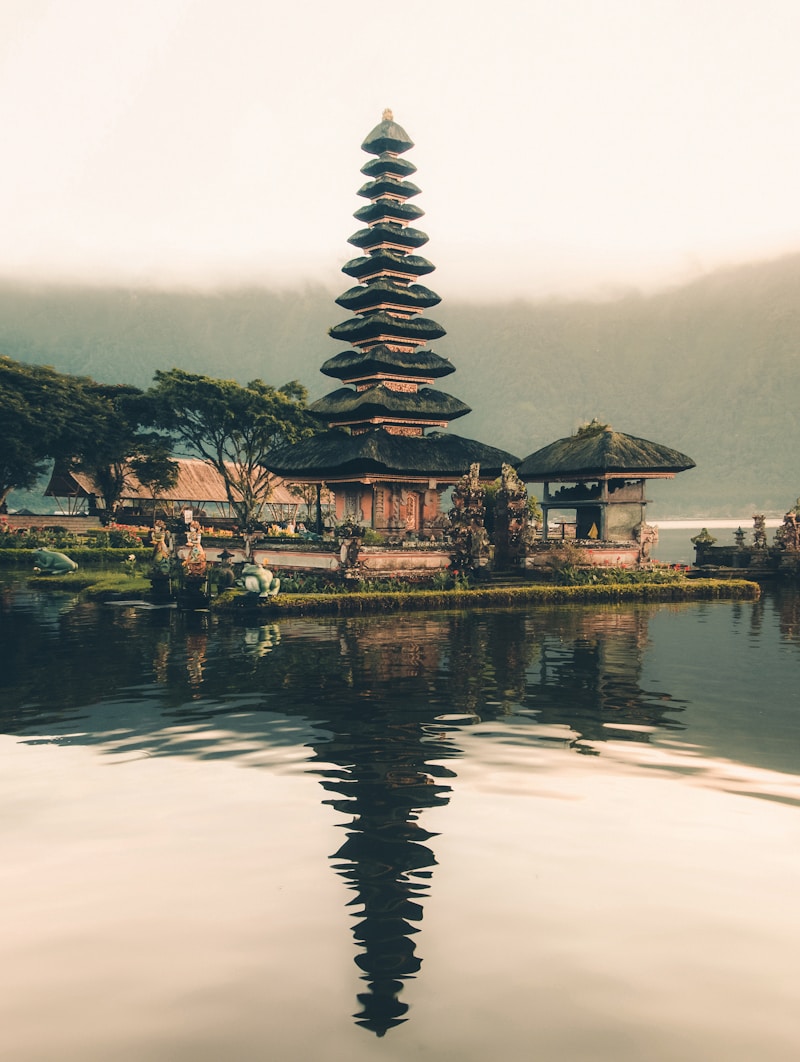
Bali combines Hindu temple culture, rice terrace landscapes, and a coastline of black and white sand beaches. For luxury travelers, the island’s real advantage is scale: there are hundreds of five-star resorts competing for guests, which pushes pricing down well below what you would pay in the Maldives, Hawaii, or the Caribbean for a similar level of service.
Sheraton Bali Kuta Resort sits directly on Kuta Beach, a short walk from the shopping and restaurant district. The resort has a lagoon-style pool, a kids’ club, and direct beach access. The Kuta location is noisier and more commercial than the south Bali resort areas, but the trade-off is a five-star beachfront property at wholesale rates starting around $60/night. Retail rates during peak season (July through August) run $150-$200/night.
Hilton Bali Resort occupies a clifftop position in Nusa Dua, the planned resort area on Bali’s southern tip. The property has a private beach at the base of the cliff, connected by an inclinator. Multiple pools, a full-service spa, and ocean-view rooms make this a solid five-star choice at wholesale rates from $75/night. Nusa Dua is quieter and more upscale than Kuta, with manicured grounds and less street-level hustle.
Sofitel Bali Nusa Dua Beach Resort rounds out the Nusa Dua options at around $55/night wholesale. The French-Indonesian design blends Balinese stone carving with contemporary luxury, and the beachfront pool complex is one of the largest in the area. Bali’s food costs are $5-$15 for excellent local meals, and a full-day private driver costs $30-$40, which makes the total trip cost hard to beat anywhere in the world.
Bangkok: Five-Star From $45/Night
Bangkok is one of the few world capitals where you can stay in a genuine five-star hotel for less than $50/night. The city has an oversupply of luxury inventory relative to demand during the hot season (April through June), and wholesale rates reflect that competition.
Pullman Bangkok Hotel G is a five-star property on Silom Road, one of the city’s main business and entertainment districts. The hotel has a rooftop pool, a fitness center, and a location that puts you within walking distance of the Silom BTS station, Patpong night market, and Lumpini Park. Wholesale rates start around $45/night during the shoulder and low seasons. The “G” branding targets a younger luxury traveler, with a modern design aesthetic that skews contemporary rather than traditional.
Hilton Sukhumvit Bangkok sits on Sukhumvit Soi 24, in the heart of Bangkok’s most international neighborhood. The Phrom Phong BTS station is a 5-minute walk away, connecting you to the rest of the city. The hotel has an outdoor pool, an executive lounge, and rooms that start at 32 square meters, which is generous for the price. Wholesale rates start around $55/night.
Sheraton Grande Sukhumvit, a Marriott Luxury Collection Hotel, is located directly connected to the Asok BTS and Sukhumvit MRT interchange, making it one of the best-connected hotels in the city. The lobby lounge, outdoor pool, and spa are all a step above what you would expect at $60/night wholesale. Bangkok’s street food runs $1-$3 per dish, taxis start at $1, and the BTS/MRT costs $0.50-$1.50 per ride, which makes the total daily cost of a luxury Bangkok trip very low even by Asian standards.
Vietnam: Luxury for $35/Night
Vietnam offers the lowest entry point for luxury hotels in all of Asia. The country has invested heavily in international hotel brands over the past decade, and the combination of low operating costs, strong competition, and a growing but still developing tourism market creates pricing that borders on absurd for Western travelers.
Hilton Da Nang sits on My Khe Beach, regularly ranked among the best beaches in Vietnam. The hotel has an infinity pool overlooking the East Sea, a full-service spa, and rooms with floor-to-ceiling ocean views. Wholesale rates start around $45/night for a five-star beachfront property. Da Nang itself is a clean, modern coastal city that serves as a base for day trips to Hoi An (30 minutes south) and the Imperial City of Hue (2 hours north).
InterContinental Hanoi Landmark72 occupies the top floors of the tallest building in Vietnam, the 72-story Keangnam Hanoi Landmark Tower. The hotel starts at the 62nd floor, with views across the entire city and the Red River delta. An indoor pool, executive lounge, and multiple restaurants come standard. Wholesale rates start around $50/night, which is hard to believe for a property with this kind of view and brand pedigree.
Pullman Danang Beach Resort is a five-star beachfront property on a quieter stretch of coastline between Da Nang and Hoi An. The resort layout emphasizes space, with low-rise buildings spread across landscaped grounds, a large outdoor pool, and direct beach access. Wholesale rates start around $65/night. Vietnam’s food costs are even lower than Thailand: $3-$8 for a full restaurant meal, $1 for a fresh banh mi, and $0.50 for local coffee.
Dubai: Summer Luxury at Half Price
Dubai’s hotel market has one of the most extreme seasonal swings in the world. Between October and April, when temperatures are comfortable (70-85 degrees F), hotel rates reflect the massive demand from European, Russian, and Asian tourists. But from June through September, when temperatures regularly exceed 110 degrees F, many of those tourists stay away. Hotels that charge $300-$500/night in January drop to $80-$150/night in July.
The summer heat is real, but Dubai is designed for it. Every mall, hotel, restaurant, and attraction is air-conditioned. The beach is swimmable at dawn and dusk, hotel pools are temperature-controlled, and the indoor attractions (aquariums, ski slopes, theme parks) work just as well at 115 degrees as they do at 80. For a full breakdown of Dubai’s seasonal pricing, specific hotel recommendations, and neighborhood analysis, see our affordable luxury hotels in Dubai guide.
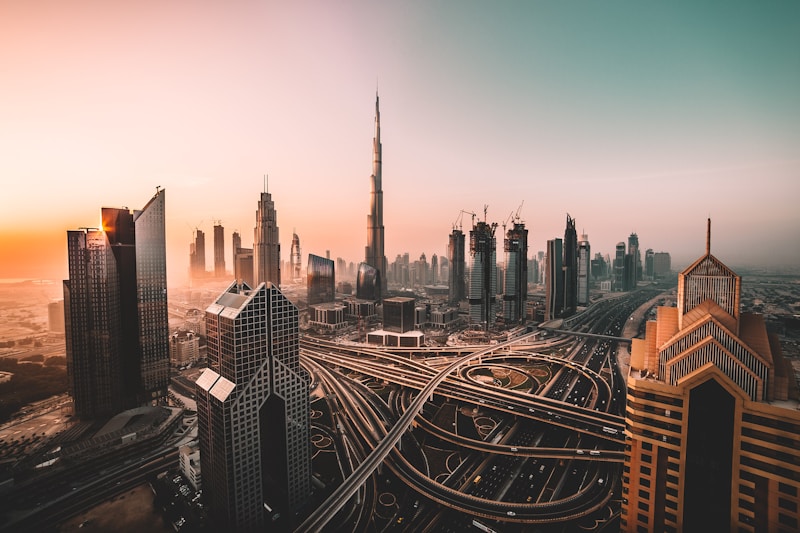
The key numbers: five-star wholesale rates in summer start from $80/night at properties like the Hilton Dubai Al Habtoor City and Marriott Resort Palm Jumeirah. That same Marriott on the Palm charges $350+ during the winter peak. If you can handle the heat, or plan to spend most of your time indoors, Dubai in summer offers some of the best luxury value in the Middle East.
Other Asian Destinations
Tokyo
Tokyo is expensive by Asian standards but still cheaper than New York, London, or Paris for equivalent hotel quality. Park Hyatt Tokyo, made famous by the film “Lost in Translation,” starts from $180/night during shoulder season (January through February). For better value, Hilton Tokyo in Shinjuku offers five-star rooms from $120/night in the same period. The shoulder season months of January, February, June, and early July sit between the cherry blossom rush (late March to mid-April) and the autumn foliage season (November), when rates climb 30-50%. Tokyo’s public transit system is efficient enough that hotel location matters less than in most cities. A hotel in Shinjuku or Shibuya connects you to any part of the city within 30 minutes.
Seoul
South Korea’s capital has a growing luxury hotel scene with strong value compared to Tokyo. Lotte Hotel Seoul, a five-star property in the Myeongdong district, starts from $90/night during the winter low season (January through February). Grand Hyatt Seoul in Itaewon, with views across the Han River and Namsan Mountain, drops to similar pricing. Summer (June through August) is technically rainy season, which keeps rates 20-30% below the popular spring cherry blossom period. Seoul’s food costs are moderate by Asian standards: $8-$15 for a good Korean BBQ meal, and $3-$5 for a bowl of bibimbap or jjigae.
Kuala Lumpur
Kuala Lumpur offers year-round tropical weather and some of the best luxury hotel value in Asia. Mandarin Oriental Kuala Lumpur, located at the base of the Petronas Twin Towers, starts from $80/night through wholesale channels. The hotel has an outdoor pool with direct views of the towers, a full-service spa, and the kind of butler-level service that would cost three times as much in Singapore or Hong Kong. KL has no strong peak or off-peak season, so rates stay relatively stable throughout the year. Food costs are extremely low: $3-$5 for hawker center meals, $10-$20 for upscale restaurant dining.
Singapore
Singapore is the most expensive city in Southeast Asia, and its hotel rates reflect that. Five-star wholesale rates start around $150/night, which is 3-4 times higher than Bangkok or Bali. However, that pricing is still 30-40% below what you would pay for equivalent quality in London or New York. Marina Bay Sands, with its iconic rooftop infinity pool, runs $180-$250/night wholesale depending on the season. For better value, Fairmont Singapore on Bras Basah Road starts from $130/night and puts you in the civic district near the National Gallery and Esplanade theatres.
Siem Reap
Siem Reap is the gateway city to Angkor Wat, and its luxury hotel market is built around temple tourism. Sofitel Angkor Phokeethra Golf and Spa Resort is a five-star property with French colonial architecture, a 27-hole golf course, and one of the largest swimming pools in Asia. Wholesale rates start around $70/night. The off-season (April through June) brings heavy heat and occasional rain, but the temples are far less crowded, and rates drop to their floor. Siem Reap’s restaurant scene is strong for a small city, with $5-$10 meals at high-quality establishments.
Best Time to Visit Asia for Hotel Deals
Asian hotel pricing follows three distinct regional patterns, each driven by different weather and tourism cycles.
| Sub-Region | Cheapest Months | Why | Key Destinations |
|---|---|---|---|
| Southeast Asia | Apr-Jun, Sep-Oct | Hot season (Apr-Jun), shoulder before peak season (Sep-Oct) | Bali, Bangkok, Phuket, Vietnam, Siem Reap |
| Middle East | Jun-Sep | Extreme summer heat (110 degrees F+), tourists avoid | Dubai, Abu Dhabi |
| East Asia | Jan-Feb, Jun-Jul | Post-holiday winter lull, summer rainy season | Tokyo, Seoul |
| Malaysia/Singapore | Year-round | No strong peak/off-peak cycle | Kuala Lumpur, Singapore |
Southeast Asia’s cheapest window is April through June, when temperatures reach their peak and European tourists have not yet arrived for summer holiday. September and October are also affordable in most of the region, sitting between the monsoon tail-end and the start of peak season in November. The monsoon schedule varies by country: Thailand’s west coast (Phuket) gets heavy rain from May through October, while the east coast (Koh Samui) peaks in November and December. Bali’s dry season runs April through October, with the wettest months being December through February.
The Middle East follows its own logic entirely. Dubai, Abu Dhabi, and Oman all drop 40-60% during summer because of extreme heat. The trade-off is real, but air-conditioning makes indoor and pool-based activities comfortable year-round.
East Asia (Japan and South Korea) has the most complex pricing calendar. Cherry blossom season in late March and early April, Golden Week in early May, and autumn foliage in November all trigger rate spikes. The cheapest periods are the cold winter months of January and February, and the rainy season of June and early July.
How to Save on Luxury Hotels in Asia
These tips are specific to the Asian hotel market and go beyond generic booking advice.
-
Visa costs vary widely and affect total trip budget. Thailand, Malaysia, South Korea, and Japan all offer visa-free entry for US and Canadian citizens (14-90 days depending on the country). Vietnam requires an e-visa ($25). Cambodia offers visa on arrival ($30). Indonesia offers visa on arrival ($35) or visa-free for stays under 30 days. Dubai offers visa-free entry for 30 days. Factor these costs into your total budget when comparing destinations.
-
Breakfast inclusion is standard at most Asian luxury hotels. Unlike Europe and North America, where breakfast at a five-star hotel costs $30-$50 per person as a paid add-on, most Asian luxury hotels include a full breakfast buffet in the room rate. This is especially true in Southeast Asia, where the breakfast spread often includes both Western and local options. That saves $40-$80/day for two guests compared to equivalent hotels in the US or Europe.
-
Book 2-3 months ahead for the best wholesale rates. Asian hotels release wholesale inventory further in advance than Western hotels. The deepest discounts on properties in Bali, Bangkok, and Vietnam appear 60-90 days before arrival. Last-minute rates in Asia are often higher, not lower, because remaining inventory is limited and dominated by walk-in pricing.
-
Use domestic flights to combine destinations cheaply. AirAsia, VietJet, Scoot, and other low-cost carriers connect Asian cities for $30-$80 one way. A two-week trip combining Bangkok ($45/night), Bali ($55/night), and Kuala Lumpur ($60/night) at five-star hotels throughout would cost less per night than a single three-star room in Manhattan.
-
Club and executive floors offer disproportionate value in Asia. Many Asian five-star hotels offer executive floor upgrades for $15-$30/night extra, which includes lounge access with complimentary evening cocktails, canapes, and afternoon tea. In Bangkok, Kuala Lumpur, and Ho Chi Minh City, the executive lounge can replace your evening meal, effectively making the upgrade cost-neutral.
-
Consider shoulder season over deep off-season. The very cheapest months (April through June in Southeast Asia) coincide with extreme heat and occasional heavy rain. September and October offer almost the same pricing with more comfortable weather in most destinations. The 5-10% price premium over April is worth it for a much more enjoyable experience.
Frequently Asked Questions
What is the cheapest country for luxury hotels in Asia?
Vietnam offers the lowest starting prices for luxury hotels in Asia. Five-star properties in Ho Chi Minh City, Hanoi, and Da Nang start from $35-$45/night through wholesale channels. Cambodia (Siem Reap) is similarly affordable at $45-$70/night for five-star rooms. Thailand sits slightly higher at $45-$65/night for five-star properties in Bangkok and Phuket. All three countries also have very low food and transportation costs, making the total trip budget extremely accessible.
Is it safe to travel in Southeast Asia?
Yes. Thailand, Vietnam, Malaysia, Indonesia (Bali), Cambodia, and Singapore are all safe for tourists. Petty theft (pickpocketing, bag snatching) exists in crowded tourist areas, just as it does in European cities. Violent crime against tourists is rare across all major Southeast Asian destinations. Standard travel precautions apply: use hotel safes, avoid displaying expensive items in crowded areas, and use registered taxis or ride-hailing apps (Grab is the regional equivalent of Uber).
When should I avoid visiting Asia?
Avoid Chinese New Year (late January or early February) in any destination popular with Chinese tourists, including Bangkok, Bali, Singapore, and Tokyo. Rates spike 50-100% during that week. Avoid Songkran (Thai New Year, April 13-15) in Thailand unless you want to participate in the water festival, as Bangkok effectively shuts down for three days. Ramadan affects hotel pricing in Malaysia and Indonesia, with rates rising during Eid al-Fitr at the end of the fasting month. Cherry blossom season in Japan (late March to mid-April) is beautiful but extremely expensive.
Are Asian luxury hotels as good as European ones?
In many cases, they are better for the price. Asian hospitality culture, particularly in Thailand, Japan, and Indonesia, emphasizes attentive service that is deeply cultural rather than transactional. A five-star hotel in Bangkok or Bali at $50/night typically offers larger rooms, more attentive staff, better breakfast spreads, and more complete spa facilities than a five-star hotel in London or Paris at $300/night. The physical properties may be newer, too, as much of Asia’s luxury hotel stock has been built in the last 20 years. For a global comparison of luxury hotel value, see our cheapest 5-star hotels worldwide guide.
Do I need vaccinations for Southeast Asia?
No mandatory vaccinations are required for entry to Thailand, Vietnam, Malaysia, Indonesia, Cambodia, or Singapore for US and Canadian citizens. The CDC recommends routine vaccinations (hepatitis A, hepatitis B, typhoid) for all Southeast Asian travel, and Japanese encephalitis vaccination for extended rural stays. Malaria is present in rural border areas of some countries but not in major tourist destinations or cities. Consult your doctor or a travel health clinic 4-6 weeks before departure for personalized advice.
How much should I budget for a luxury trip to Asia?
For Southeast Asia (Thailand, Vietnam, Bali, Cambodia): budget $100-$150/day total per person, including a five-star hotel, three meals, local transportation, and activities. That is $700-$1,050 per person per week. For East Asia (Tokyo, Seoul): budget $200-$300/day. For Dubai: budget $150-$250/day. These figures assume wholesale hotel rates through platforms like HotelsLove, local dining at mid-range to high-end restaurants, and standard tourist activities. A comparable luxury trip in Europe would cost $250-$400/day, and in the US $300-$500/day.