Best Hotels in Rome: Luxury Stays by Neighborhood
Key Takeaways
- Rome luxury hotels start from $25/night through wholesale channels, with 4-star properties averaging $90 to $160/night across most neighborhoods outside high season.
- All visitors to Rome pay a city tax of €3 to €7 per person per night, collected directly by the hotel at check-out. This is not included in the room rate.
- The historic center (Centro Storico) offers the most walkable luxury experience, but Trastevere and Monti deliver better value with more authentic neighborhood character.
- April, May, September, and October are the best months to visit for a balance of weather, crowd levels, and hotel pricing.
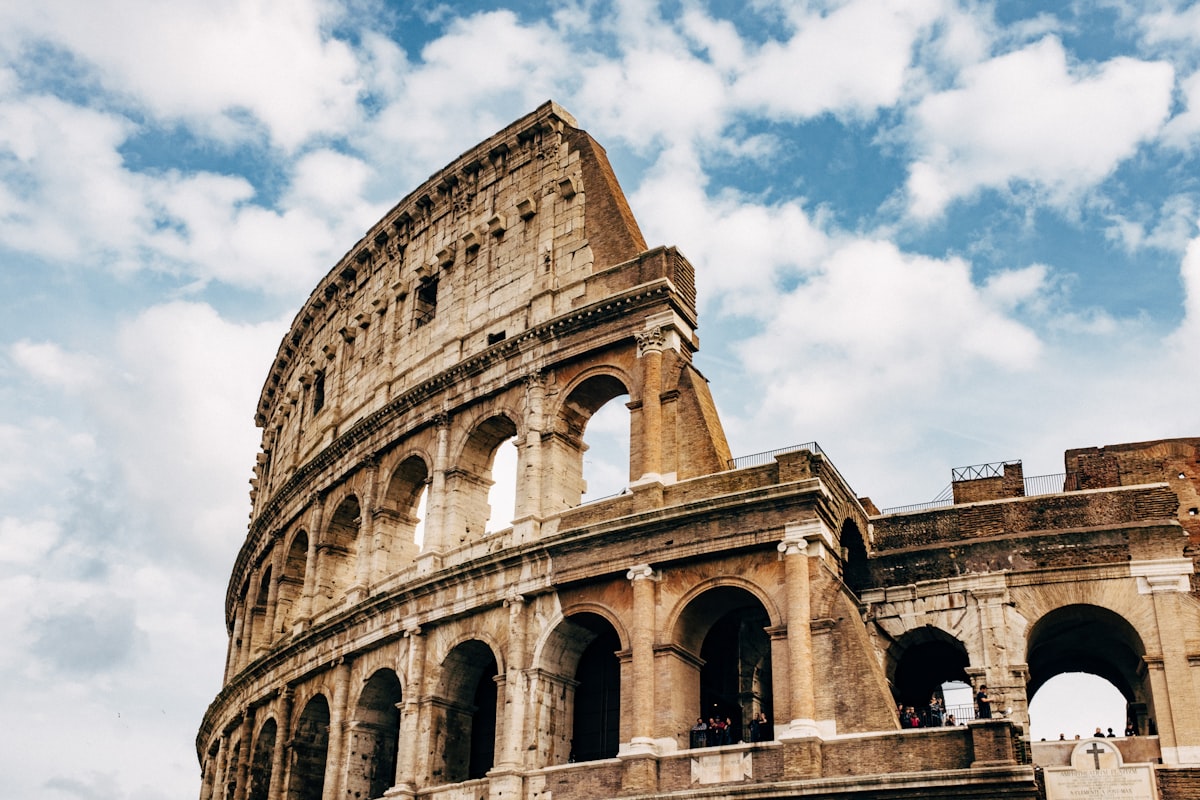
Rome is one of the most visited cities in Europe, and for travelers who want to stay in the center of it all, the hotel options are varied. The city’s historic core is compact enough to walk across in an hour, which means that neighborhood choice matters more for atmosphere and price than for access to sights. Whether you stay in the Renaissance grandeur of Centro Storico, the bohemian streets of Trastevere, or the quiet residential character of Monti, the Colosseum and the Vatican are never more than 20 minutes away.
This guide covers the five main neighborhoods for luxury travelers, what each one offers, a practical note on Rome’s city tax, seasonal pricing advice, and how wholesale rates compare to what most booking platforms charge.
Rome City Tax
Every hotel guest in Rome pays a mandatory city tax (tassa di soggiorno) that is collected at check-out, in cash or card, directly at the hotel. The tax is per person per night and scales with the hotel’s star rating:
- 1 and 2-star properties: €3/person/night
- 3-star properties: €4/person/night
- 4-star properties: €6/person/night
- 5-star and luxury properties: €7/person/night
Children under 10 are exempt. The tax is capped at 10 consecutive nights per stay. For a couple staying 5 nights in a 4-star hotel, this adds €60 to the total cost. Factor this in when comparing total trip costs. It is not included in any online booking price, including HotelsLove rates.
Neighborhood Guide
Centro Storico
Centro Storico is the historic heart of Rome, the dense medieval and baroque city that sits inside the bend of the Tiber River. The Pantheon, Piazza Navona, Campo de’ Fiori, and the Trevi Fountain are all here. So are some of the finest luxury hotels in Italy, many occupying converted palazzi with interiors that have been in continuous use for centuries.
Staying in Centro Storico means walking to almost everything. The major sites are within 15 to 20 minutes on foot, the restaurant density is high, and the streets themselves are worth exploring. The cost of all this is price. This is the most expensive hotel neighborhood in Rome, and demand from international tourists keeps rates elevated year-round. A 4-star property here that would cost €160 on a Tuesday in October can reach €280 during Easter week or in the peak of summer.
For first-time visitors to Rome who want to maximize the experience of the city, Centro Storico is worth the premium. For repeat visitors or those traveling on a longer itinerary, the savings available one neighborhood over are worth considering.
Trastevere
Trastevere sits on the west bank of the Tiber, south of the Vatican. It was historically a working-class neighborhood and retains more of that character than any other area popular with tourists. The streets are narrow cobblestone, the buildings are ochre and terracotta, the restaurants are packed at 9pm, and the neighborhood feels like Rome rather than a version of Rome designed for foreign visitors.
Luxury hotel options in Trastevere are fewer than in Centro Storico, but what exists tends to be boutique and design-forward. Converted convents and renovated medieval residences make up much of the high-end inventory. Rates average 15 to 25% below comparable properties in Centro Storico.
The practical consideration for Trastevere is access. The neighborhood is not on any metro line. Getting to the Colosseum requires a tram and then a metro or taxi. For guests whose trip is focused on the Vatican and Trastevere’s own restaurant scene, this is not an issue. For those planning extensive cross-city movement, the lack of metro access adds time and small amounts of transit cost to each day.
Vatican and Prati
The Prati neighborhood sits immediately north of the Vatican, a grid of wide 19th-century streets filled with good restaurants, independent shops, and mid-range to luxury hotels. The Vatican Museums and St. Peter’s Basilica are a 10-minute walk away. Castel Sant’Angelo is along the river to the east.
Prati is the most underrated neighborhood in Rome for value-conscious luxury travelers. The hotel stock is solid, the neighborhood is pleasant to walk around, and it is served by the Ottaviano metro station on Line A, which connects directly to Termini (the main train station) and to Barberini (near the Trevi Fountain) in under 10 minutes.
For visitors whose Rome itinerary centers on the Vatican (which, for a first visit, is a full day on its own), Prati delivers proximity to the main attraction and metro connectivity to everything else at a lower average nightly rate than Centro Storico.
Monti
Monti is the neighborhood immediately northwest of the Colosseum, one of Rome’s oldest rioni (historic districts). It was a working-class area for most of its history and has transformed over the past 20 years into one of the city’s most interesting neighborhoods for food, vintage shopping, and independent design. Via del Boschetto and Via Panisperna are lined with aperitivo bars and trattorias that attract as many Romans as tourists.
The Colosseum and the Roman Forum are a 5-minute walk from the center of Monti. The Cavour metro station provides fast access to Termini. The neighborhood is small enough to walk across in 10 minutes and dense enough to keep you occupied for an evening without leaving.
Luxury hotel options in Monti are limited but well-chosen. The hotels that operate here tend toward boutique sizes of 20 to 50 rooms and charge slightly less than Centro Storico for rooms of comparable quality. For travelers who have visited Rome before and want something beyond the standard postcard circuit, Monti delivers a different perspective on the city.
Testaccio
Testaccio sits south of Trastevere and the Aventine Hill, along the east bank of the Tiber. It was historically the city’s slaughterhouse district, and the old slaughterhouse building (the Mattatoio) has been converted into a contemporary arts center. The neighborhood has the best traditional Roman food in the city by most accounts. Offal-centric dishes that the rest of Rome has partially moved away from are still proudly served here, alongside a newer generation of wine bars and modern trattorias.
For hotel guests, Testaccio offers the lowest average nightly rates of any neighborhood on this list. It is further from the major tourist sites than Monti or Prati (the Colosseum is about 30 minutes on foot), but the Piramide metro station provides quick access to the center. The Pyramid of Cestius (an actual ancient Roman pyramid in the middle of the neighborhood) and the Protestant Cemetery, where Keats and Shelley are buried, are worth a visit in their own right.
Testaccio suits travelers who prioritize food and local life over proximity to monuments.
Price Comparison: Rome Luxury Hotels
| Neighborhood | Typical OTA Rate (4-star) | HotelsLove Rate | Potential Savings |
|---|---|---|---|
| Centro Storico | €180 - €320/night | €115 - €210/night | 30 - 36% |
| Trastevere | €150 - €260/night | €95 - €175/night | 30 - 37% |
| Vatican / Prati | €130 - €230/night | €85 - €155/night | 32 - 37% |
| Monti | €140 - €240/night | €90 - €160/night | 30 - 35% |
| Testaccio | €100 - €180/night | €65 - €120/night | 30 - 35% |
Rates are indicative for 4-star properties on standard nights, excluding city tax. Easter week, late June through August, and major Catholic events see rates increase sharply across all neighborhoods.
Seasonal Advice
April and May are the best months to visit Rome. The weather is warm but not oppressive (average highs of 18 to 23°C), the spring flowers are out, and the crowds, though growing, have not reached summer intensity. Hotel rates are moderate during April except for Easter week, which is one of the most expensive periods of the entire year across all Rome neighborhoods.
June through August is peak season. July and August in particular bring intense heat (average highs of 30 to 32°C with humidity) and the highest visitor volumes of the year. Many Romans leave the city in August, which gives Ferragosto week (mid-August) an odd, emptier-than-usual quality in residential neighborhoods while tourist sites remain packed. Hotel rates peak in late June and July. If traveling in summer, book 10 to 12 weeks ahead to access the best wholesale rates.
September and October offer excellent conditions. Temperatures drop to comfortable levels (20 to 27°C), crowds thin after the European school holidays end in September, and hotel rates begin to fall. October in particular is a strong value month with reliable weather. This is the window recommended most often by experienced Rome visitors.
November through February is low season. Rates drop to their annual lows and the city is quieter. The downside is cool, occasionally rainy weather and shorter daylight hours. The Vatican Museums are far less crowded in winter, which is a real practical advantage. Christmas and New Year see a secondary rate spike, but January and most of February are the cheapest period of the year.
Practical Considerations
Book Vatican Museums tickets well in advance. There is no same-day ticket option that avoids the queue, and during peak season (March through October), popular time slots sell out weeks ahead. This applies regardless of where you are staying.
Walking is the best way to see Rome, and most luxury hotels in Centro Storico, Monti, and Trastevere are positioned to support a walking itinerary. The metro (two main lines, A and B, crossing at Termini) covers the major outlying sites but does not serve the historic center directly.
Dress codes apply at the Vatican and many churches. Shoulders and knees must be covered for entry. Most luxury hotels can provide or recommend appropriate cover-ups. This applies to all visitors regardless of the season.
Water in Rome is safe to drink. The city’s ancient aqueduct system, still largely intact, feeds thousands of public drinking fountains (nasoni) throughout the city. Tap water in hotels is also safe and of good quality.
Getting to Rome
Rome has two airports: Fiumicino (Leonardo da Vinci, code FCO) for international flights and Ciampino (CIA) for lower-cost carriers. Fiumicino is connected to Termini by the Leonardo Express train (30 minutes, €14 one-way). Taxis from Fiumicino to the city center are flat-rate (€48 to most central destinations). From Ciampino, taxis are metered and typically cost €30 to €45 to the center depending on traffic.
Related Guides
- Cheapest Luxury Hotels in Europe: Where to Find 5-Star Stays for Less
- Cheapest 5-Star Hotels: How to Book Luxury for Less
Book Rome Luxury Hotels at Wholesale Rates
HotelsLove accesses 4 and 5-star Rome hotels through wholesale inventory, which removes the standard OTA markup from the rate you pay. Prices start from $25/night, covering all five neighborhoods in this guide.
Remember: all Rome hotels collect a city tax of €3 to €7 per person per night at check-out, regardless of where you book.