Best Hotels in Toronto: Luxury Stays by Neighborhood
Toronto is Canada’s largest city and one of North America’s most diverse travel destinations. From the glass towers of the Financial District to the boutique streets of Yorkville, the city offers a wide range of luxury hotels at prices that vary widely depending on where you book and when. This guide covers the best neighborhoods to stay, what you can expect to pay, and how to get the most value from a Toronto visit.
Key Takeaways
- Best neighborhood for luxury: Yorkville/Bloor. Designer shopping, top-rated restaurants, and 5-star hotels within walking distance of Bloor-Yonge station.
- Best value for price: Downtown Core. Midscale and upscale options close to the CN Tower, Rogers Centre, and Union Station.
- Best for nightlife and events: Entertainment District. Walking distance to live venues, TIFF screenings, and the theatre strip.
- Best for scenic views: Harbourfront/Waterfront. Lakefront hotels with direct access to the boardwalk and ferry terminals.
- Best for a quieter stay: Midtown. Residential feel, near Yonge and Eglinton, good transit access, lower prices than Yorkville.
- Peak prices: June through August (summer festivals, tourist season) and September (TIFF, conference season).
- Best value window: November through February, when room rates in 4-star properties can drop 30 to 40 percent from summer highs.
Toronto Hotel Prices by Neighborhood
The table below shows average nightly rates for 4 and 5-star hotels by area. Prices reflect typical weekday rates during mid-season (spring/fall). Summer and event weekends will be higher.
| Neighborhood | 4-Star Average | 5-Star Average | Best For |
|---|---|---|---|
| Downtown Core | $160 - $240 | $280 - $420 | Central location, business travel |
| Yorkville / Bloor | $220 - $320 | $380 - $580 | Luxury shopping, fine dining |
| Entertainment District | $150 - $220 | $260 - $380 | Nightlife, TIFF, theatre |
| Harbourfront / Waterfront | $170 - $250 | $300 - $450 | Lake views, families, cyclists |
| Midtown (Yonge & Eglinton) | $120 - $180 | $200 - $300 | Value, residential quiet, transit |
Budget tip: Booking 3 to 6 weeks in advance on a Tuesday or Wednesday typically yields the lowest rates across all neighborhoods. Last-minute bookings during festival weekends can push prices 60 to 80 percent above the averages listed here.
Downtown Core
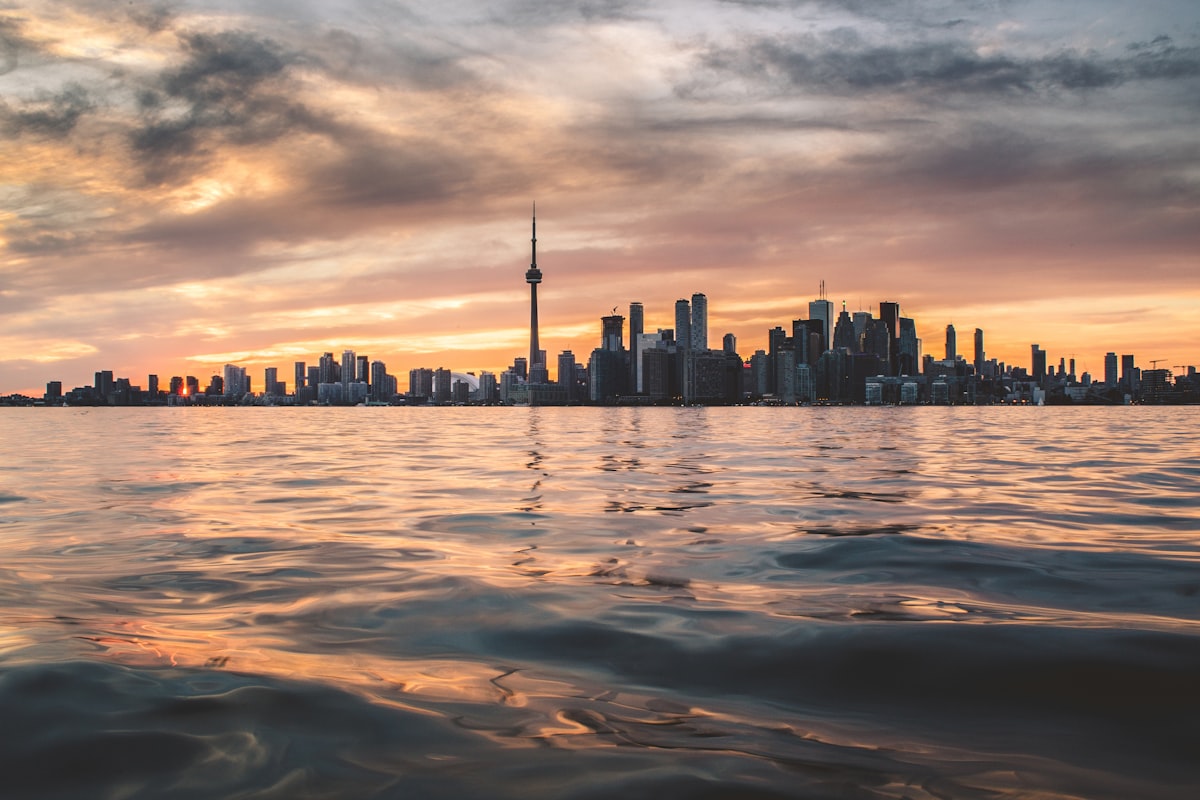
Downtown Toronto is built around the intersection of Bay and King Streets, home to the Financial District, Union Station, the CN Tower, and Scotiabank Arena. Hotels here serve both business travelers and tourists, which means occupancy stays relatively high year-round. That demand keeps prices stable, but it also means competition is fierce and quality is reliably high.
Who stays here: Business travelers, convention attendees, sports fans (Leafs, Raptors, Blue Jays), and visitors who want the easiest access to transit.
What to expect: Most downtown 4 and 5-star properties are modern high-rise hotels with full-service amenities: fitness centers, concierge, on-site restaurants, and easy PATH network access. The PATH connects over 30 km of underground walkways linking major hotels, offices, and shopping centers, which is especially useful during Toronto winters.
Pricing reality: Downtown hotels rarely drop below $150/night for a 4-star property, even in low season. However, wholesale rates through platforms like HotelsLove can bring those prices down to the $120 to $140 range in January and February.
Getting around: Union Station is the transit hub for the TTC subway, GO Transit regional trains, the UP Express to Pearson Airport, and VIA Rail. Most downtown hotels are within a 10-minute walk.
Yorkville / Bloor
Yorkville is Toronto’s upscale neighborhood, and it has been for decades. Bloor Street West between Avenue Road and Yonge is lined with flagship luxury retailers, independent galleries, and some of the city’s best restaurants. The Four Seasons, the Hazelton, and several other flagship properties anchor the hotel scene here.
Who stays here: Leisure travelers, couples, high-end shoppers, and anyone who wants walkable luxury with the city’s best dining within steps of the hotel.
What to expect: Yorkville properties tend to be smaller than downtown towers, with more personalized service. Room sizes are often larger. Amenities lean toward spa services, fine dining, and curated design.
Pricing reality: Yorkville commands a premium. The 5-star properties here regularly run $400 to $600 per night at retail. Wholesale rates can bring 4-star options into the $180 to $220 range, which represents real savings for a neighborhood that otherwise skews expensive.
Getting around: The Bloor-Yonge subway interchange is a short walk from most Yorkville hotels, connecting directly to Downtown, Midtown, and the rest of the TTC network.
Entertainment District
The Entertainment District runs roughly from Spadina Avenue to University Avenue along King Street West. It is home to live music venues, the TIFF Bell Lightbox, the Royal Alexandra Theatre, and dozens of restaurants and bars. During the Toronto International Film Festival each September, this neighborhood is at the center of everything happening in the city.
Who stays here: Travelers interested in nightlife, theater, TIFF attendees, and visitors who want an energetic street-level experience.
What to expect: Hotels here range from boutique properties to mid-sized full-service brands. Room quality is generally high, and proximity to restaurants and venues is a real selling point. Noise can be a factor for light sleepers on weekends, so higher-floor rooms are worth requesting.
Pricing reality: The Entertainment District is slightly more affordable than Yorkville but comparable to Downtown Core. TIFF week (early September) is the most expensive period of the year in this neighborhood, with rates sometimes doubling. Booking 8 to 12 weeks out for a September visit is strongly recommended.
Getting around: King streetcar service runs east-west through the district. The St. Andrew subway station is a short walk north. Rideshares are readily available given the density of restaurants and bars.
Harbourfront / Waterfront
Toronto’s waterfront stretches east and west from the foot of Yonge Street along Lake Ontario. The Harbourfront area has undergone significant development over the past two decades. Hotels here offer lake views that no other neighborhood can match, along with direct access to the Martin Goodman Trail for cycling and running, and ferry service to the Toronto Islands.
Who stays here: Families, cyclists, leisure travelers who want outdoor access, and visitors combining a city stay with a day trip to the Islands.
What to expect: Waterfront hotels tend to be larger convention-style properties or extended-stay formats. Views are the primary draw. Amenities are generally strong, and the waterfront itself is well-maintained with year-round programming.
Pricing reality: Waterfront properties are mid-to-upper range. A 4-star room with lake views runs $180 to $260 in summer, and the view premium is real. In winter, those same rooms often drop to $130 to $160, making the off-season a good time to book if views are the priority and warmth is not.
Getting around: The waterfront is a 10 to 15-minute walk from Union Station. The 509 and 510 streetcar lines connect to the King and Queen streetcar networks. Ferry service to the Toronto Islands departs from the Jack Layton Ferry Terminal, a short walk from most waterfront hotels.
Midtown (Yonge and Eglinton)
Midtown Toronto is a residential and commercial area centered around the Yonge and Eglinton intersection. It lacks the tourist density of downtown or Yorkville, which keeps hotel prices lower. The neighborhood has a well-established dining and bar scene, good transit access, and a quieter pace than the core.
Who stays here: Extended-stay travelers, visitors with connections in Midtown, and anyone who wants lower rates without sacrificing city access.
What to expect: Midtown hotels are a mix of mid-scale brands and boutique properties. Service quality is good. The trade-off is distance from major tourist attractions. The CN Tower and Scotiabank Arena are a 20-minute subway ride south.
Pricing reality: Midtown is the best-value neighborhood for 4-star accommodations in Toronto. It is not uncommon to find 4-star properties at $110 to $150 per night even during high season, and wholesale rates can bring them lower.
Getting around: Eglinton station connects to the Yonge subway line with direct service downtown. The new Eglinton Crosstown LRT has also improved east-west transit access across Midtown.
Seasonal Booking Guide
Toronto has a clear seasonal pattern that directly affects hotel prices.
Summer (June to August): Peak season. The city hosts Pride, the Caribbean Carnival, the Canadian National Exhibition (CNE), and dozens of outdoor festivals. Demand is highest from late June through Labour Day. Book 6 to 8 weeks out for best availability and rate.
TIFF (Early September): The Toronto International Film Festival runs for 10 days in early September and concentrates demand in the Entertainment District and Yorkville. Hotels in those neighborhoods sell out early. Book 10 to 14 weeks ahead if your travel dates overlap with TIFF.
Fall (October to November): Prices begin to ease after Labour Day, and October is one of the best months to visit Toronto for weather and value. Rates drop 15 to 25 percent from summer peaks while the weather remains mild.
Winter (December to February): Lowest rates of the year. The PATH system makes downtown walkable regardless of weather. February is typically the cheapest month for hotel rooms across all neighborhoods, with some 4-star properties available at $92 to $120 per night through wholesale channels.
Spring (March to May): Rates climb gradually from the winter low. April and May are pleasant months to visit, with lower prices than summer and increasingly walkable weather. Good for travelers who want value without committing to the cold.
Practical Tips for Booking Toronto Hotels
Book direct dates around major events. The CN Tower, Ripley’s Aquarium, and Scotiabank Arena are major demand drivers. If your stay coincides with a marquee concert, Raptors playoff game, or sold-out event, rates in Downtown and the Entertainment District will spike. Check the venue calendar before you book.
Use transit, not a car. Toronto has a good subway and streetcar network. Parking at downtown hotels often costs $40 to $60 per day. Unless you are driving from outside the city, parking fees can add more to your trip cost than a neighborhood upgrade would.
Room type matters in winter. Toronto winters are cold. A room with in-room fireplace, heated pool, or easy PATH access is worth paying a modest premium for in December and January.
Check total cost, not just nightly rate. Toronto hotels often add destination fees or resort fees at checkout. Wholesale booking platforms that show the full price upfront are easier to compare than sites that surface base rates and add fees at the final step.
Related Guides
- Best Time to Book Hotels: A Month-by-Month Guide
- How to Find Cheap Luxury Hotels Without Sacrificing Quality
Ready to search Toronto hotels? Browse current rates across all neighborhoods on the Toronto luxury hotels page and compare wholesale prices side by side.