Best Hotels in Vancouver: Luxury Stays by Neighborhood
Key Takeaways
- Vancouver reliably ranks among the most expensive hotel markets in Canada. Wholesale rates bring 4-star properties down to $118-190/night versus $220-350/night on standard booking platforms.
- Downtown and Coal Harbour are the most centrally located neighborhoods. Coal Harbour adds harbor and mountain views that justify a small premium.
- Summer (July-August) is peak season for both tourism and prices. The shoulder windows of May-June and September-October offer better rates with reliable weather.
- Unlike US cities, Vancouver does not charge destination marketing fees on top of room rates, but the combined federal and provincial tax rate on hotels is approximately 20%.
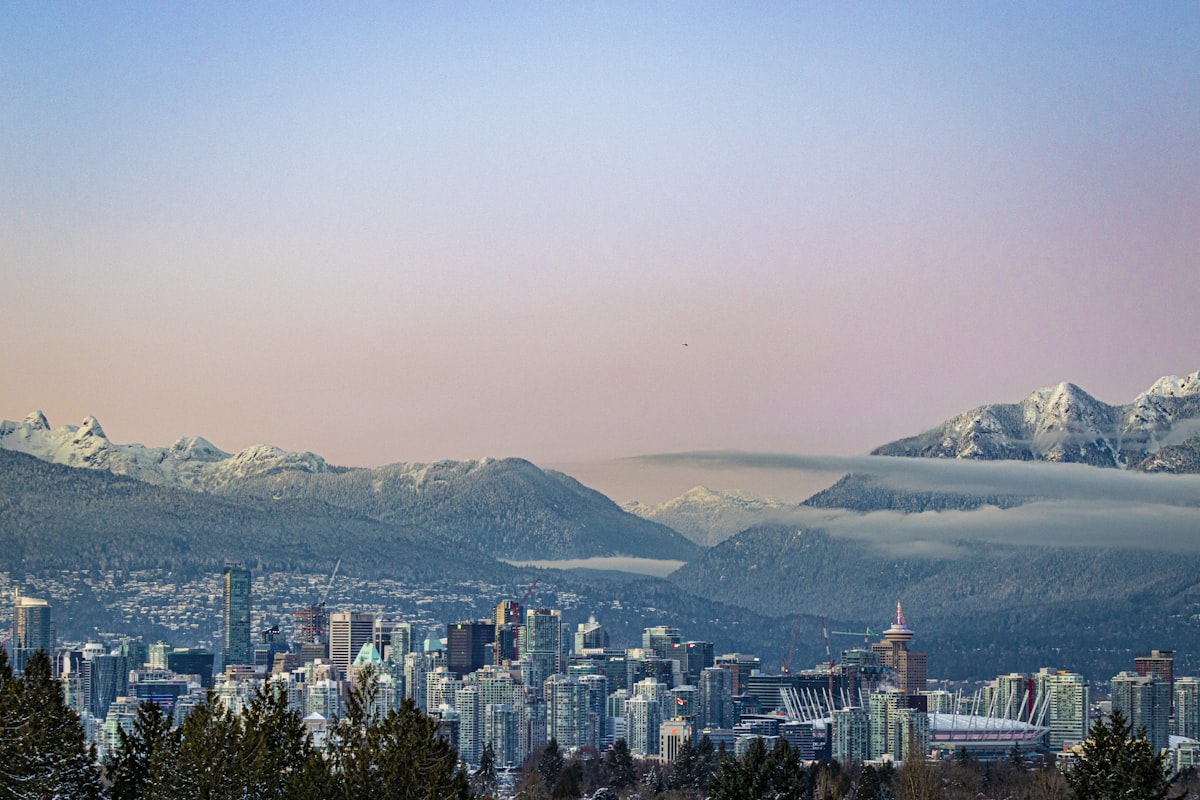
Vancouver sits at the intersection of Pacific Ocean, mountains, and rainforest in a way that few cities can match. It is also one of the priciest hotel markets in North America, with downtown 4-star rates regularly exceeding $300/night on mainstream booking platforms during summer. Wholesale access changes that math. This guide covers each major neighborhood, what the price differences look like in practice, and how to pick the right base for your trip.
Downtown Vancouver
Downtown Vancouver is the commercial and cultural core of the city. It runs from BC Place and Rogers Arena in the east to the waterfront and Canada Place in the northwest. The concentration of hotels here is the highest in the city, which means more choice across categories.
Staying downtown puts you within walking distance of Robson Street shopping, the Vancouver Art Gallery, and the waterfront. The Skytrain connects you to the airport in 26 minutes. Convention facilities are nearby, which means downtown hotels sometimes spike in price during major events at the convention center or stadiums.
What to expect on price: 4-star properties in Downtown Vancouver run $118-175/night at wholesale during shoulder season. Summer rates (July-August) push to $165-250/night. 5-star properties, of which there are several, run $250-420/night in summer.
Best for: Business travelers, first-time visitors, and anyone prioritizing walkability and transit access. Downtown is the default choice for a reason.
Coal Harbour
Coal Harbour is Downtown’s western waterfront edge, running along Burrard Inlet between Canada Place and Stanley Park. The views here are among the best in any North American city: harbor water in the foreground, North Shore mountains behind. Several of Vancouver’s top luxury hotels sit on or near the Coal Harbour seawall.
The neighborhood is quieter than the main downtown core. The seawall path connects Coal Harbour directly to Stanley Park, one of the largest urban parks in the world. Walking or cycling to the park takes 10 minutes from most Coal Harbour hotels.
What to expect on price: The view premium is real here. 4-star Coal Harbour properties run $145-200/night in shoulder season. 5-star waterfront hotels run $280-480/night in summer, reflecting both the views and the brand names operating in the area.
Best for: Leisure travelers, couples, and anyone making Vancouver a primary destination rather than a stopover. The combination of seawall access, park proximity, and mountain views is hard to match.
Gastown
Gastown is Vancouver’s oldest neighborhood and its most architecturally distinct. The cobblestone streets, Victorian-era brick warehouses, and the famous steam clock define a compact area that is walkable in under 20 minutes. The neighborhood has shifted from run-down to a real destination over the past 15 years, with a mix of independent restaurants, cocktail bars, and boutique retail.
Hotel supply in Gastown skews toward boutique properties in converted heritage buildings. Scale is smaller than downtown. The neighborhood borders the Downtown Eastside, which is Vancouver’s most challenged community. This is not a safety concern for hotel guests, but the contrast is immediate and visitors should be aware of it.
What to expect on price: Boutique 4-stars in Gastown run $125-175/night at wholesale during shoulder season. The limited supply means availability tightens fast in summer.
Best for: Design-focused travelers, food and drink enthusiasts, and visitors who have already done the standard Vancouver itinerary and want something with more local character.
West End and English Bay
The West End is Vancouver’s densest residential neighborhood, a grid of apartment towers and older low-rises between downtown and Stanley Park. English Bay Beach sits on its western edge. The neighborhood has a relaxed, lived-in quality that downtown lacks.
English Bay Beach is Vancouver’s most popular urban beach. On summer evenings, it fills with locals. The Celebration of Light fireworks competition happens here in late July/early August. Hotels in the West End offer the rare combination of beach access and city proximity.
What to expect on price: 4-star hotels in the West End and along Davie Street run $118-165/night at wholesale in shoulder season. Summer rates push to $155-240/night, particularly for properties with English Bay views.
Best for: Summer visits, beach-focused travelers, and anyone who wants Stanley Park access without paying Coal Harbour rates.
Yaletown
Yaletown sits between downtown and False Creek, on the north shore of the inlet. It was converted from a warehouse district in the 1990s and now reads as a prosperous neighborhood of restaurants, boutiques, and condos. The False Creek seawall connects Yaletown to Science World, Olympic Village, and eventually Granville Island.
Hotel supply in Yaletown is modest. A handful of boutique and mid-range properties serve the neighborhood. The area is well connected to downtown by foot (15-20 minutes) and by the Canada Line metro.
What to expect on price: 4-star Yaletown properties run $118-160/night at wholesale, often slightly below equivalent downtown rates. The tradeoff is fewer hotel choices and a slightly longer walk to the main tourist corridor.
Best for: Longer stays, travelers who want a neighborhood feel alongside city access, and visitors interested in False Creek and Granville Island.
Vancouver Hotel Price Comparison by Neighborhood
| Neighborhood | 4-Star Avg (Shoulder) | 4-Star Avg (Summer) | 5-Star Avg (Summer) | Walk to Waterfront |
|---|---|---|---|---|
| Downtown | $118-175 | $165-250 | $250-420 | 10-15 min |
| Coal Harbour | $145-200 | $190-290 | $280-480 | 0-5 min |
| Gastown | $125-175 | $160-235 | N/A | 10 min |
| West End / English Bay | $118-165 | $155-240 | N/A | 0-5 min (beach) |
| Yaletown | $118-160 | $150-220 | N/A | 10 min (False Creek) |
Prices reflect wholesale rates available through HotelsLove. Standard booking platform rates for the same properties typically run 30-50% higher in peak season.
When to Visit Vancouver
May and June are the best months for a combination of weather and hotel value. Rain tapers off in May. Temperatures climb to 16-20°C (61-68°F) by June. Hotel rates sit 20-30% below July-August peaks. The city is green from spring rain and easy to walk for hours.
July and August deliver Vancouver at its warmest and busiest. Temperatures average 22-25°C (72-77°F) with reliable sunshine. Festivals run back to back, including the Celebration of Light fireworks and the Caribbean Days Festival. Hotel rates peak here. Book 10-12 weeks ahead for the best inventory.
September and October offer a practical alternative to summer. Weather stays mild through September, often extending into a warm, dry October. Crowds shrink after Labor Day. Hotel rates drop 15-25% from August highs. October can bring rain, particularly in the second half of the month.
November through March is Vancouver’s wet season. The mountains get snow, which makes Whistler and the North Shore peaks excellent for skiing. The city itself is rainy and grey. Hotel rates are at their annual low, and the city’s restaurant and cultural scene runs at full capacity. For a winter trip combining skiing with city time, this window works very well.
Vancouver-Specific Travel Tips
Hotel tax in British Columbia combines federal GST (5%), provincial PST (8% on accommodation), and the municipal MRDT (3%), bringing the total tax burden on hotel stays to approximately 16-20%. This is applied on top of any rate you book and is not optional.
The Skytrain Canada Line connects Vancouver International Airport (YVR) to downtown in 26 minutes for CAD $9.55 (about $7 USD). It runs until approximately 1am. There is no reason to take a cab from the airport unless you have substantial luggage or are arriving very late.
Stanley Park is a 400-hectare old-growth forest inside the city limits. The seawall loop around the park is 10km. Bike rentals are available at the park entrance near Coal Harbour. Most visitors underestimate how long the park takes to explore; half a day is realistic.
Granville Island is a public market and arts district under the Granville Street Bridge. It is best reached by the small passenger ferry from Downtown or Yaletown rather than by car, where parking is difficult.
Tipping: Canada follows US-style tipping norms. 18-20% at restaurants, $2-5/night for housekeeping, and standard taxi gratuities are expected.
Frequently Asked Questions
What is the best neighborhood for first-time visitors to Vancouver? Downtown or Coal Harbour. Downtown gives you the widest hotel selection and the best transit access. Coal Harbour adds the mountain and harbor views that make Vancouver’s setting so distinctive. Both keep you within walking distance of the main tourist areas.
Does Vancouver charge resort fees? Resort fees are uncommon in Vancouver city hotels. You will pay applicable taxes at checkout, but Vancouver hotels generally do not add destination fees on top of the room rate the way many US resort cities do.
How far in advance should I book for summer travel? For July and August, 10-12 weeks ahead is advisable for 4 and 5-star properties in Coal Harbour and Downtown. Popular boutique properties in Gastown sell out faster. For September and May-June travel, 3-5 weeks is usually sufficient.
Is Vancouver safe for tourists? The tourist areas of Vancouver, including Downtown, Gastown, West End, Coal Harbour, and Yaletown, are safe for visitors. The Downtown Eastside, which borders Gastown, has visible social challenges, but the tourist and hotel district is a separate area.
How do I get around Vancouver without a car? The Skytrain covers the airport, downtown, and major suburban destinations. Buses fill in the gaps. The seawall and bike lanes make cycling practical for trips within the peninsula. A car is useful for day trips to Whistler, the North Shore, or the Fraser Valley, but is unnecessary for a city-focused stay.
Related Guides
- Best Time to Book Hotels: Month-by-Month Price Guide
- How to Find Cheap Luxury Hotels: 8 Tactics That Work
Ready to book? Compare wholesale hotel rates in Vancouver across every neighborhood.