Tokyo Hotel Guide: Best Neighborhoods to Stay
Navigating Tokyo’s Hotel Neighborhoods
Tokyo has 888+ luxury hotels from $51/night at wholesale rates, the largest hotel selection in Asia on our platform. The city’s neighborhoods are distinct worlds connected by one of the most efficient train systems on earth. Your choice of area shapes your daily experience but never limits your access to the rest of the city.
Shinjuku: Tokyo’s Most Popular Hotel District
Shinjuku is Tokyo’s busiest and most hotel-dense neighborhood, with 165 hotels from $51/night. It’s home to Shinjuku Station, the world’s busiest railway hub, which makes it the most practical base for exploring the city.
| Property | From | Highlight |
|---|---|---|
| Kimpton Shinjuku Tokyo | $506/night | International luxury, central transit access |
| Keio Plaza Hotel Tokyo Premier Grand | $670/night | Landmark tower hotel, free observation deck nearby |
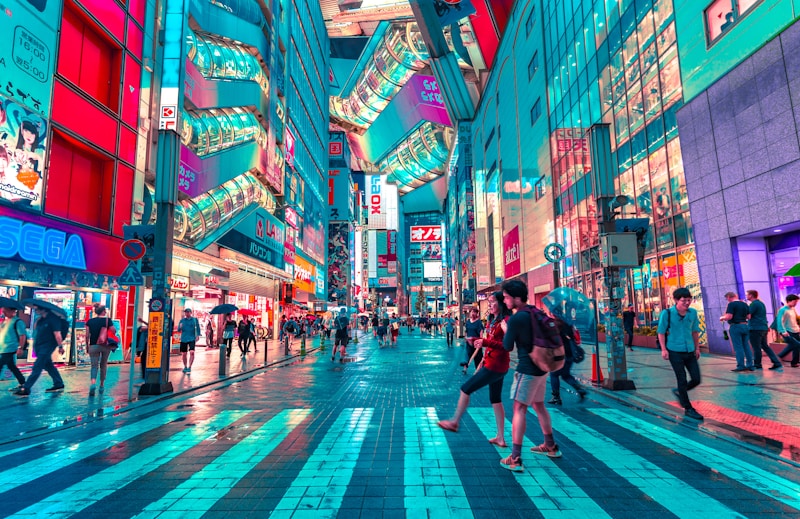
Shinjuku has two personalities. The west side is corporate and orderly, dominated by skyscraper hotels and the Tokyo Metropolitan Government Building’s free observation deck. The east side is neon-lit chaos: Kabukicho’s entertainment district, Golden Gai’s tiny bars (over 200 packed into six alleys), and Omoide Yokocho’s smoky yakitori stalls.
For first-time visitors, Shinjuku offers the widest range of hotels, the most dining options, and the most convenient transit connections. It’s not Tokyo’s most charming neighborhood, but it’s the most practical.
Ginza: Refined Luxury and World-Class Shopping
Ginza is Tokyo’s answer to Fifth Avenue or Bond Street, with 85 hotels from $95/night. This is where you’ll find Japan’s most prestigious department stores (Mitsukoshi, Ginza Six), high-end galleries, and some of the country’s finest restaurants, including more Michelin stars per square mile than almost anywhere on earth.
Hotels in Ginza tend toward refined elegance rather than flashy design. The neighborhood is quieter at night than Shinjuku or Shibuya, which makes it ideal for travelers who prefer sophisticated calm over buzzing energy. It’s also well-positioned for day trips. Tokyo Station, with its Shinkansen (bullet train) connections, is a short walk away.
Shibuya: Youth Culture and Creative Energy
Shibuya has 72 hotels from $65/night and is the epicenter of Tokyo’s youth culture. The famous Shibuya Crossing, Shibuya Sky observation deck, and streets lined with fashion boutiques and record shops give this neighborhood a creative, youthful energy that’s unmistakably Tokyo.
Beyond the crossing, Shibuya spreads into quieter residential areas like Daikanyama and Naka-Meguro, home to independent cafes, bookshops, and the cherry-blossom-lined Meguro River. Hotels in these sub-neighborhoods offer a calmer base while keeping Shibuya’s energy within walking distance.
Shibuya works best for younger travelers, repeat visitors, and anyone who wants to experience Tokyo’s cutting-edge culture, fashion, and nightlife scene.
Roppongi & Marunouchi: Contrasting Alternatives
| Area | Hotels | From | Best For |
|---|---|---|---|
| Roppongi | 48 | $75/night | Nightlife, Mori Art Museum, cosmopolitan dining |
| Marunouchi | 35 | $120/night | Imperial Palace, Tokyo Station, bullet-train access |
Roppongi is popular with international visitors and sits between Shinjuku’s energy and Ginza’s refinement. Marunouchi’s grand hotels, like Hotel Chinzanso Tokyo (from $526/night) and Hotel New Otani Tokyo Garden Tower (from $316/night), offer garden settings in the heart of the city.
Traditional Stays: Ryokan in Tokyo
Tokyo offers traditional ryokan (Japanese inns) alongside its modern luxury hotels. These properties feature tatami-mat rooms, futon bedding, communal onsen baths, and multi-course kaiseki dinners. While ryokan are more commonly associated with rural Japan, several Tokyo properties deliver authentic traditional hospitality with modern comfort.
A ryokan stay is worth at least one or two nights of your Tokyo trip. It’s a cultural experience you can’t replicate at a Western-style hotel.
When to Visit Tokyo
Late March through May offers cherry blossom season (late March to mid-April) and mild spring weather, the most popular and most expensive time to visit. October through November brings autumn foliage and comfortable temperatures.
January through February and June through August (excluding Obon week in mid-August) offer the lowest hotel rates. Tokyo’s summer is hot and humid, but the city is built for indoor comfort, and summer festivals add vibrant cultural experiences.
Search Tokyo Hotels
Related Guides
- Cheapest 5-Star Hotels: Where Wholesale Rates Go Furthest
- Best Time to Book Hotels for the Cheapest Prices
With 888+ hotels across five major neighborhoods, search Tokyo hotels to compare wholesale rates. From Shinjuku’s neon-lit towers to Ginza’s refined elegance, wholesale pricing makes Tokyo’s hotel scene accessible.