Luxury Hotels in Lisbon
Portugal
Portugal
Lisbon climbs seven hills above the Tagus River, and every viewpoint is better than the last. With 198 hotels from $18/night, this is one of Western Europe's most affordable capitals for luxury stays. The city moves at its own pace, somewhere between Mediterranean warmth and Atlantic cool.
Alfama is the oldest neighbourhood, a maze of narrow alleys, fado music drifting from tiny bars, and terracotta rooftops that glow at sunset. Bairro Alto is where the nightlife concentrates, quiet during the day and electric after 10pm. Baixa is the grid-planned downtown, rebuilt after the 1755 earthquake, with wide plazas and the famous Santa Justa elevator connecting the lower city to the upper.
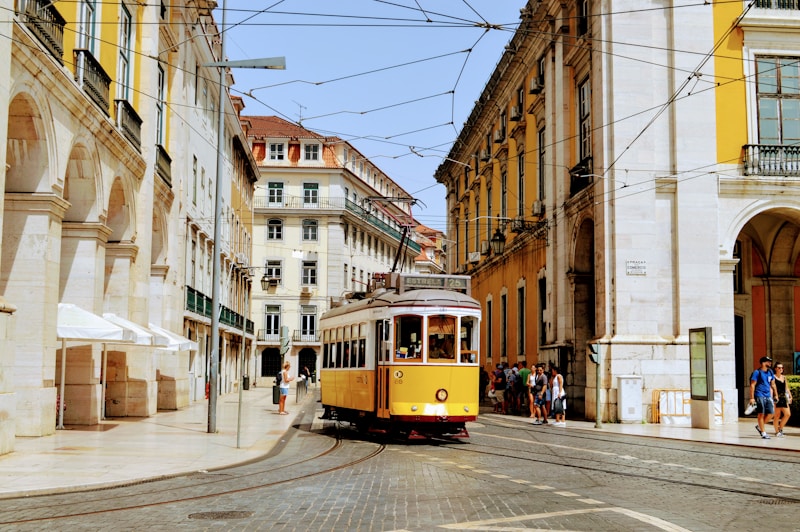
Belem is where Lisbon meets the river, home to the Jeronimos Monastery, the Tower of Belem, and the legendary pastel de nata from Pasteis de Belem. Tram 28 rattles through the steepest streets and past the best views. The seafood here, grilled sardines, cataplana stew, fresh oysters along the waterfront, is among the best in Europe at a fraction of what it costs further north.
$18/night gets you into a four-star hotel at wholesale rates. Well-located luxury properties in Alfama and Baixa average $40-80/night. The premium hotels near Belem and along the waterfront run higher.
Yes. Lisbon is one of the most affordable capitals in Western Europe. Food, transport, and accommodation cost considerably less than Paris or London, often 30-40% less for comparable quality.
Alfama for atmosphere and fado music. Baixa for central location and easy Metro access. Bairro Alto for nightlife and restaurant density. Chiado is the sweet spot between Baixa and Bairro Alto, walkable to everything with slightly quieter streets.
March through June and September through October. Summers are hot but dry. The Santos Populares festival in June fills the city with sardine grills and street parties. Winter is mild by European standards, rarely dropping below 10 degrees C.
Mostly, but the hills are steep. Comfortable shoes are essential. Tram 28 covers the hilliest routes, and the Metro is clean and efficient. Elevators and funiculars connect the upper and lower city in several spots. Walking downhill and riding uphill is a good strategy.
The Metro red line connects the airport to downtown in about 20 minutes for under $2. Taxis to central Lisbon cost roughly $15-20. The airport is closer to the city center than in most European capitals, so transfers are quick and affordable.